

The black-tailed prairie dog and black-footed ferret are closely linked in prairie ecosystems. Together, they represent an important predator-prey relationship in the North American Great Plains, essential to maintaining healthy grassland biodiversity.
Although black-tailed prairie are not listed under the US Endangered Species Act, their populations are continuing to experience dramatic declines.
Both species depend on short- and mixed-grass prairie ecosystems. Black-tailed prairie dogs live in large colonies where they feed on plants and dig extensive interconnected burrow systems – often called ‘towns’. Black-footed ferrets rely on prairie dogs for up to 90% of their diet and depend on their burrows for shelter – making prairie dog colonies critical habitat for ferret survival.
Historically, black-tailed prairie dogs ranged throughout the Great Plains from southern Saskatchewan to northern Mexico – but today occupy less than 2% of their original habitat. The historic range of the black-footed ferret followed that of prairie dogs. Today they are found in a handful of reintroduction sites in the United States but are currently extirpated in Canada and Mexico.
Continued loss of native grasslands, climate change, disease and lack of social acceptance of prairie dogs remain the primary threats to both prairie dogs and ferrets.
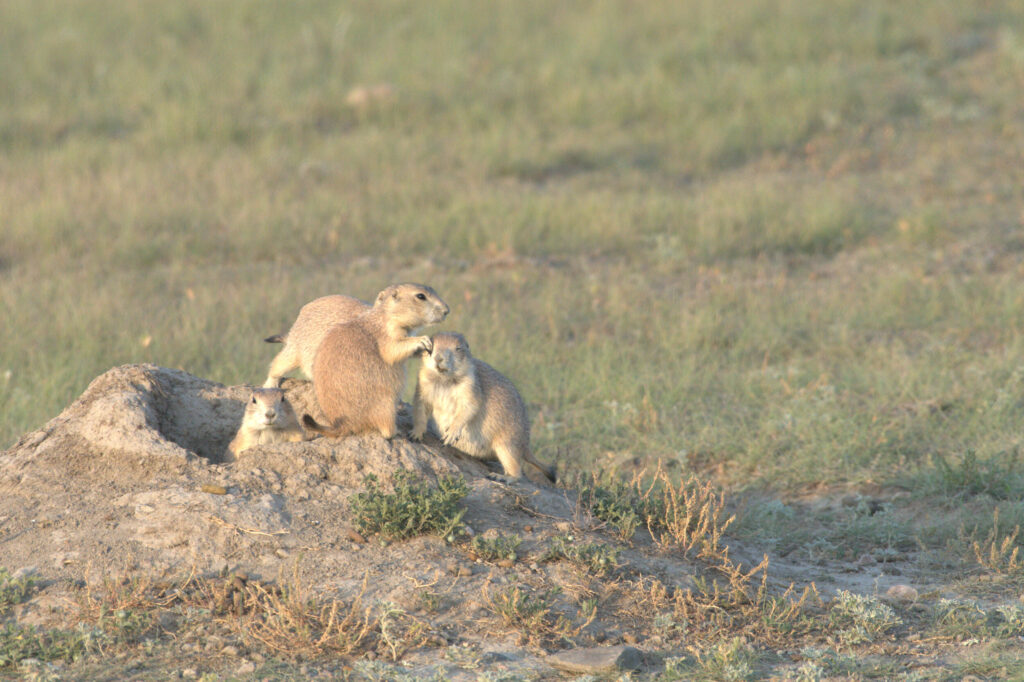
These two species have a unique ecological relationship; the survival of the black-footed ferret depends on the presence of a healthy prairie dog population.
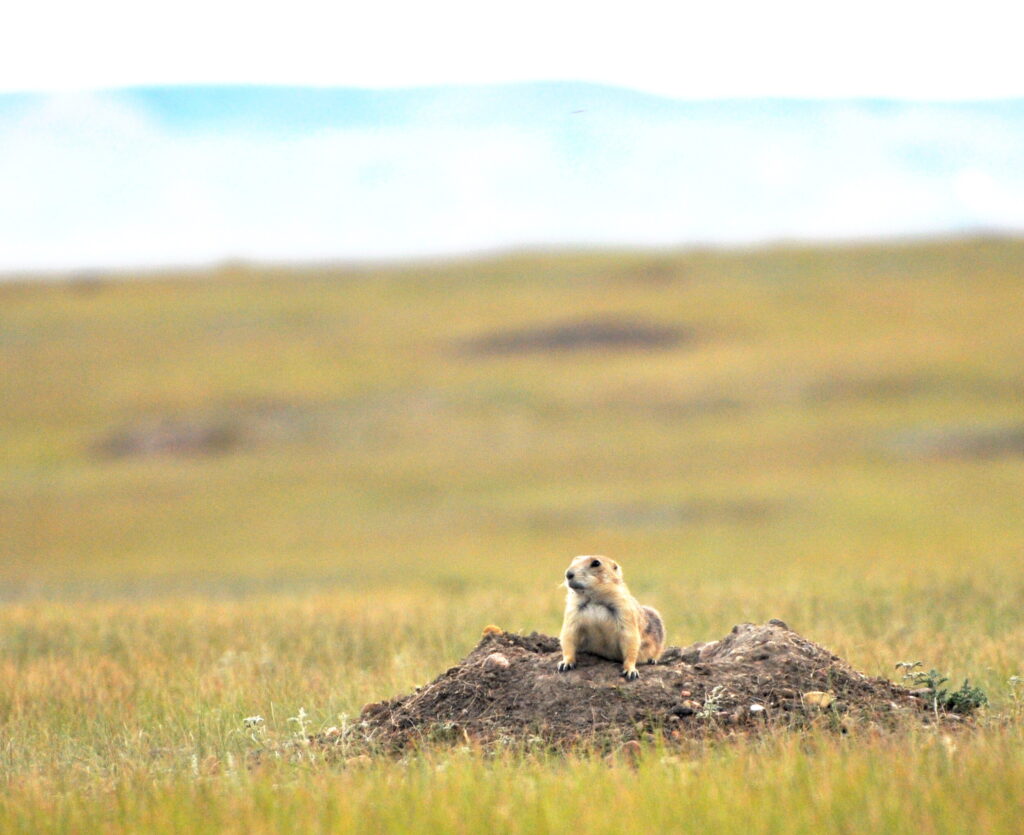
The black-tailed prairie dog is a highly social ground squirrel and is one of five species of prairie dog endemic to North America. The black-footed ferret is a small specialist predator of prairie dogs and the only ferret species found in North America. Together, they have a tightly linked predator-prey relationship.
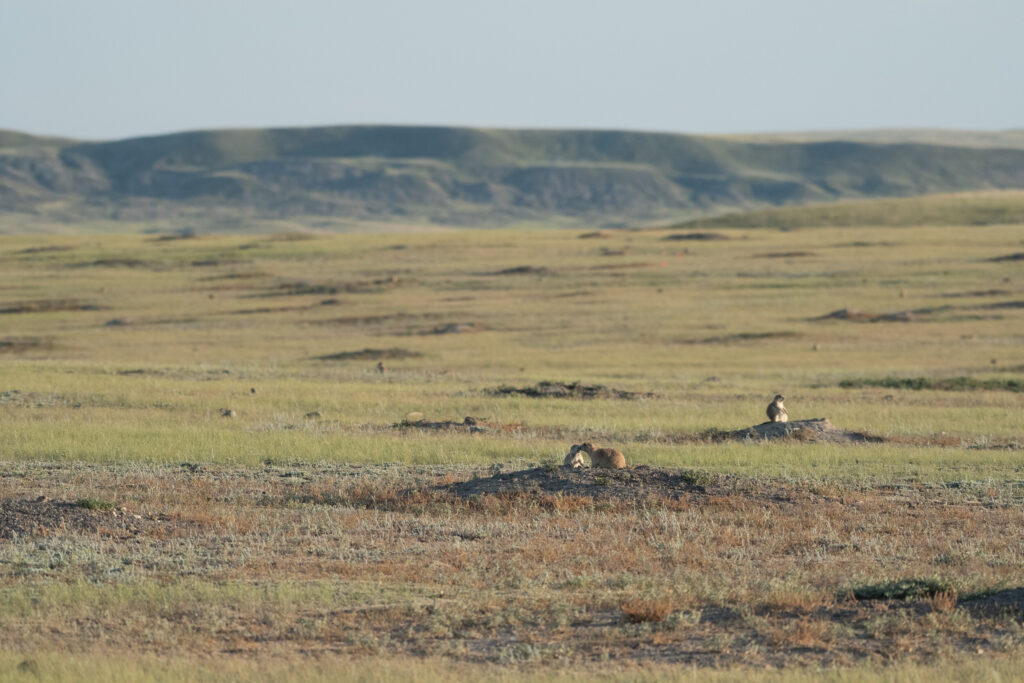
Black-tailed prairie dogs historically ranged throughout the Great Plains from southern Saskatchewan to northern Mexico. Today, they occupy less than 2% of that range. These social ground squirrels live in large colonies, often called ‘towns’, in short and mixed-grass prairie ecosystems. Black-footed ferrets once shared this vast range; today they survive only in a handful of reintroduction sites in the United States and are extirpated from Canada and Mexico.
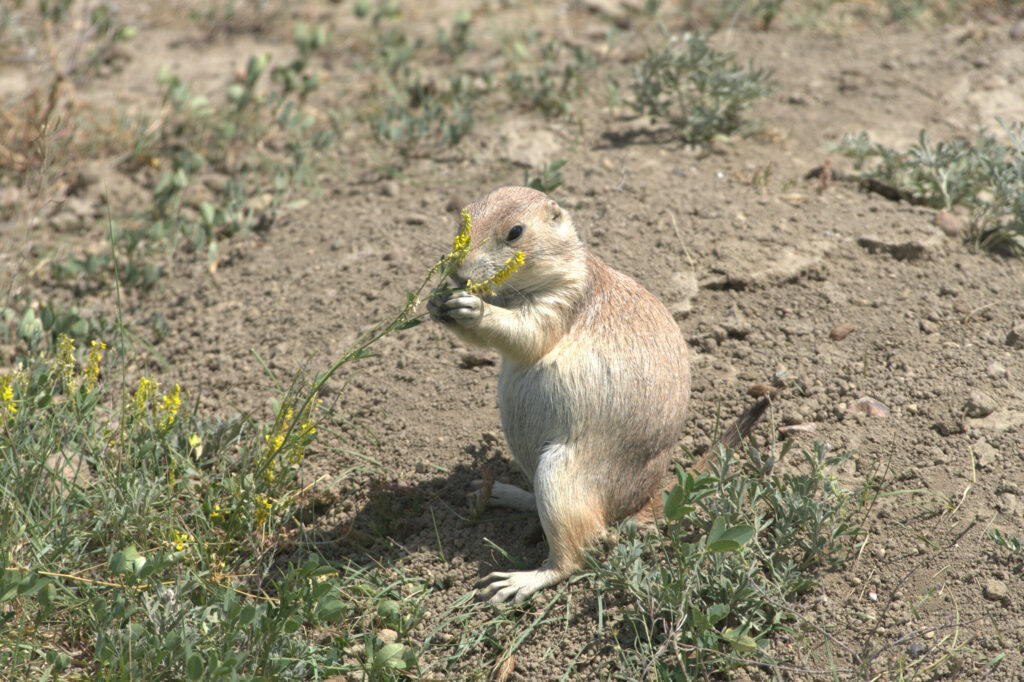
Black-tailed prairie dogs have sandy coats, pale bellies, and a signature black-tipped tail. They have powerful little paws with sharp nails that they use for digging networks for underground burrows. Black-footed ferrets are recognizable by their black mask, dark feet, and black-tipped tail. Their sleek bodies make them perfectly adapted for hunting prairie dogs.
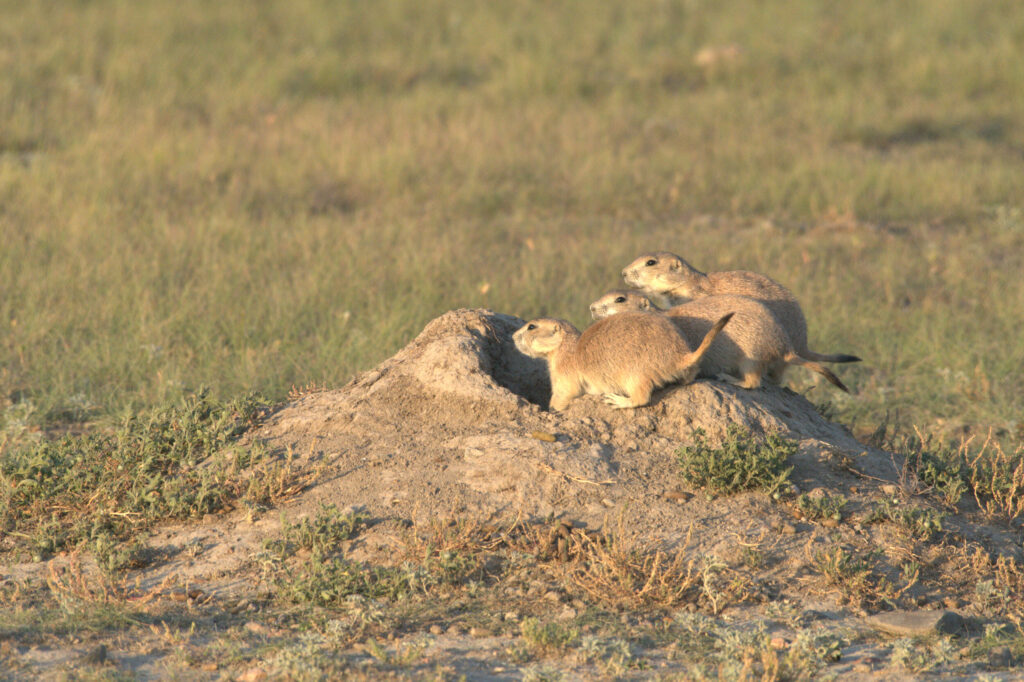
The black-tailed prairie dog is a highly social ground squirrel and is one of five species of prairie dog endemic to North America, and one of the few mammals that actively engineers its own ecosystem. The black-footed ferret is a predator that is specialized almost entirely around a single prey species – a level of ecological dependence that makes it both remarkable and vulnerable.
Prairie dogs are among the most ecologically important mammals on the Great Plains. As a keystone species, their colonies support an estimated 150 other species, providing food, shelter, and disturbed soil that sustains grassland biodiversity. Black-footed ferrets’ recovery is a measure of the whole ecosystem’s health.
Up to 80% of the native grasslands in North America’s Great Plains have been lost since the arrival of settlers, and what remains continues to undergo pressure from land conversion, invasive species, fire suppression, and climate change. Prairie dogs – a keystone species and ecosystem engineer – have seen populations plummet across the Great Plains due to habitat loss, disease, and eradication efforts. As they disappear, so does the ecosystems that depends on them, including the black-footed ferret, which relies on prairie dogs for food and shelter and remains one of North America’s most endangered mammals. Ongoing threats – including disease outbreaks, climate change, and limited public support for prairie dog conservation – continue to challenge long-term recovery.
Supporting species recovery through collaborative, science-based conservation action.
The Wilder Institute’s Prairie Dog Ecosystem Program works with partners of the Black-Footed Ferret Recovery Implementation Team to support ferret recovery, prairie dog conservation, and grassland restoration in the Northern Great Plains. The program began in 2010 supporting Canada’s black-footed ferret recovery efforts led by Grasslands National Park, leading research and monitoring alongside partners for over a decade.. In 2023, it expanded to collaborate with U.S. partners in Montana to support their ferret, prairie dog and grasslands restoration efforts.
The program is based at the northern edge of the historic range of both the black-tailed prairie dog and the black-footed ferret – from southern Saskatchewan, home of the northernmost black-tailed prairie dog population to partnering sites just across the border in Montana.
The program is based in the Northern Great Plains (Saskatchewan, Canada & Montana, USA)
Help protect ecosystems and support species recovery.
Support conservation programs that protect prairie dog ecosystems and enable the return of black-footed ferrets to Canada.
Join a community helping restore balance between wildlife and people across Canada’s grasslands.
Explore monthly giving or fundraising opportunities to support long-term conservation efforts.