

With fall well underway, signs of the season are all around: crisp mornings, crunchy leaves underfoot, and perhaps even the sound of migrating birds overhead. In Wisconsin, a young whooping crane named Kimiwan is spending his first fall in the wild, after being released in mid-September into the reintroduced Eastern Migratory Population.
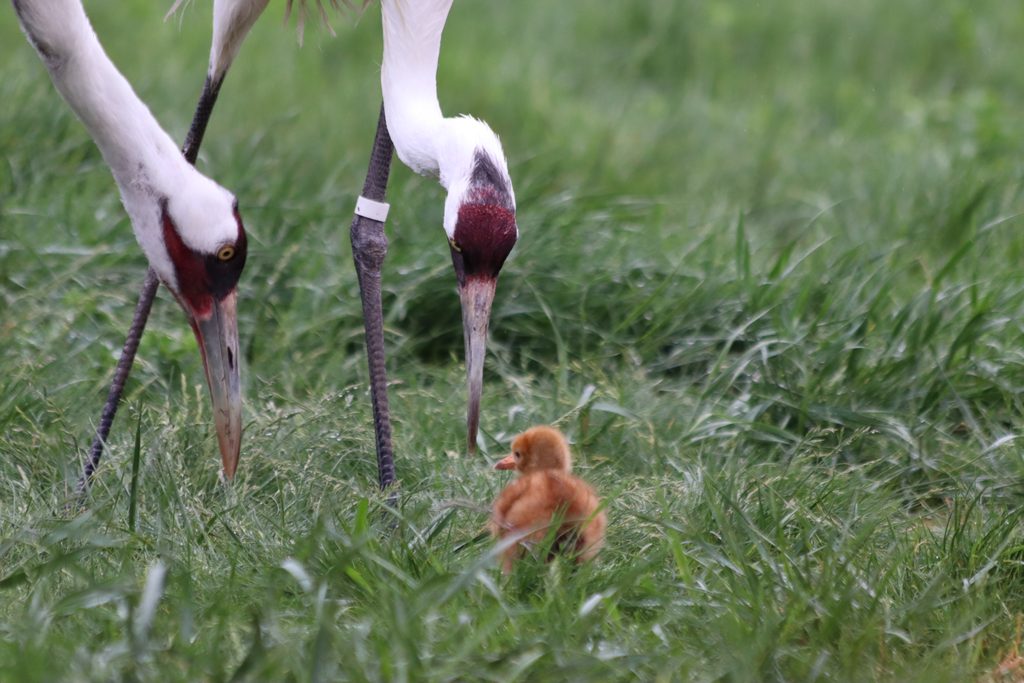
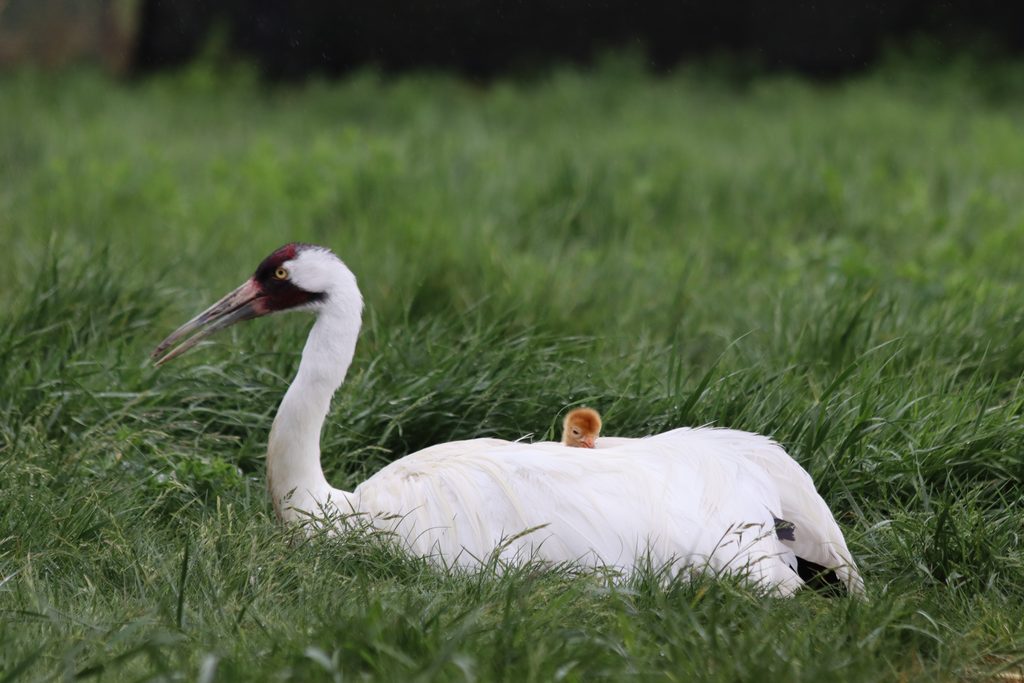
Kimiwan hatched on May 29th to bonded parents Tim and Bombadil at the Wilder Institute’s Archibald Biodiversity Centre. In mid-September, with support from many partners and colleagues, he travelled from the Archibald Biodiversity Centre to the wetlands of Wisconsin, where our partners at the International Crane Foundation (ICF) released him into the Eastern Migratory Population.
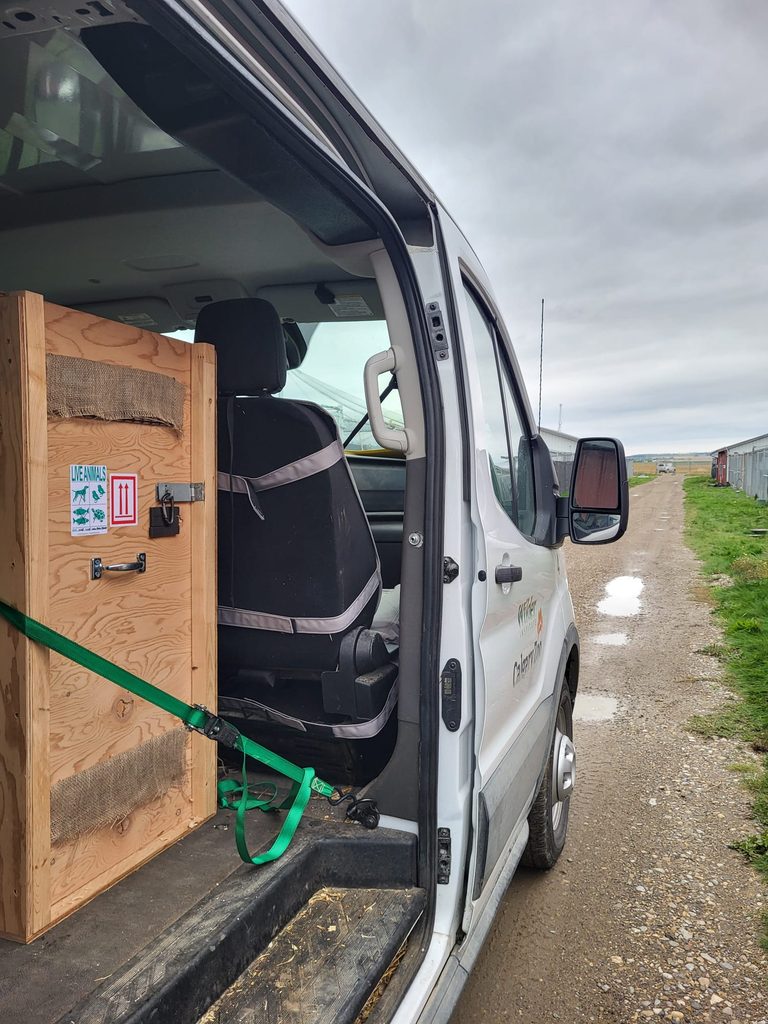
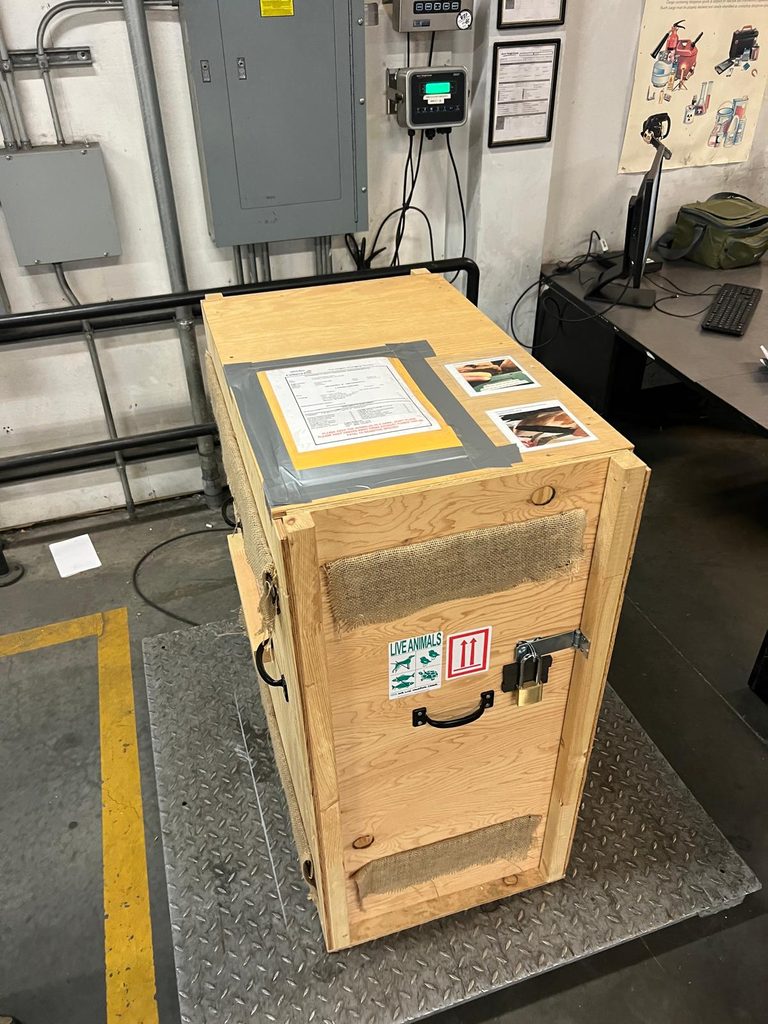
Moving a bird across borders takes months of planning. The Wilder Institute’s Animal Relocation Specialist, Angela Brightwell, worked with ICF and government partners and spent more than 80 hours preparing for the shipment, securing permits and confirming transportation. The Animal Health team scheduled exams, and the Facilities team built a specialized transport crate. Some preparations have to begin before the nesting and hatching season, which means planning starts before it is known if there will even be a bird to transfer! Kimiwan’s journey included commercial air travel, ground transport, and a flight from Detroit, Michigan to Baraboo, Wisconsin with volunteer pilot Chuck Yanke and ICF staff.
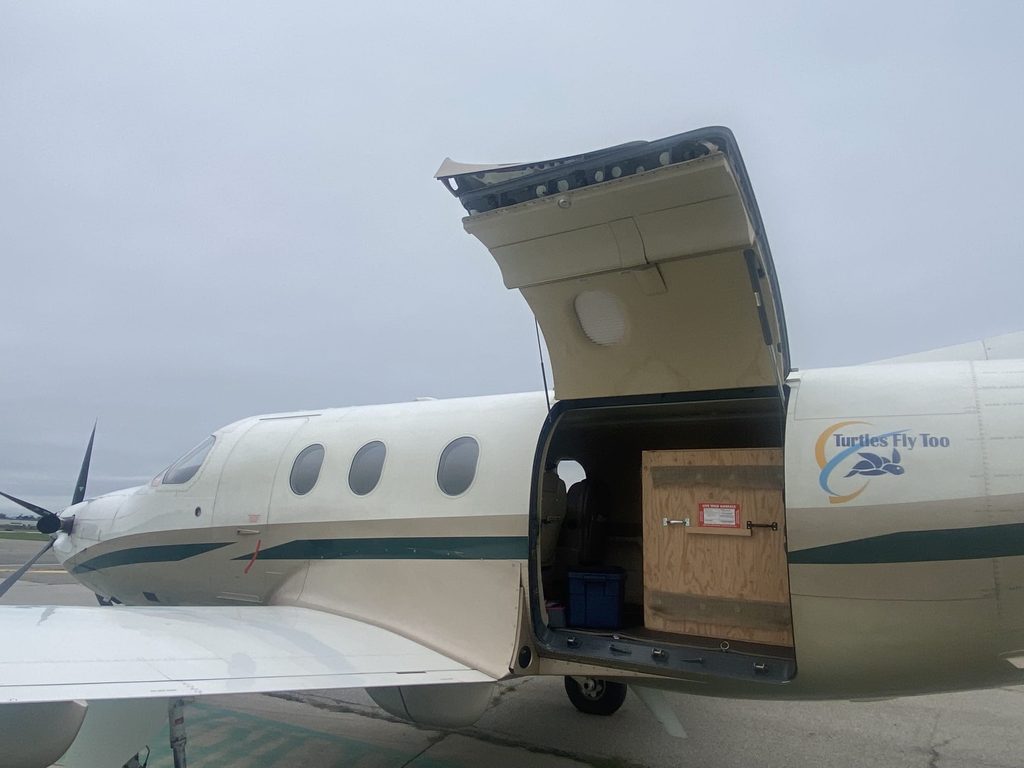
Prior to any release of whooping cranes, ICF staff carefully evaluate potential sites using several criteria, including the presence of other whooping cranes, suitable foraging and roosting habitat, and accessibility for release. Staff visit promising sites to assess habitat first hand and identify hazards, such as powerlines or fences, that could pose risks to a young bird.
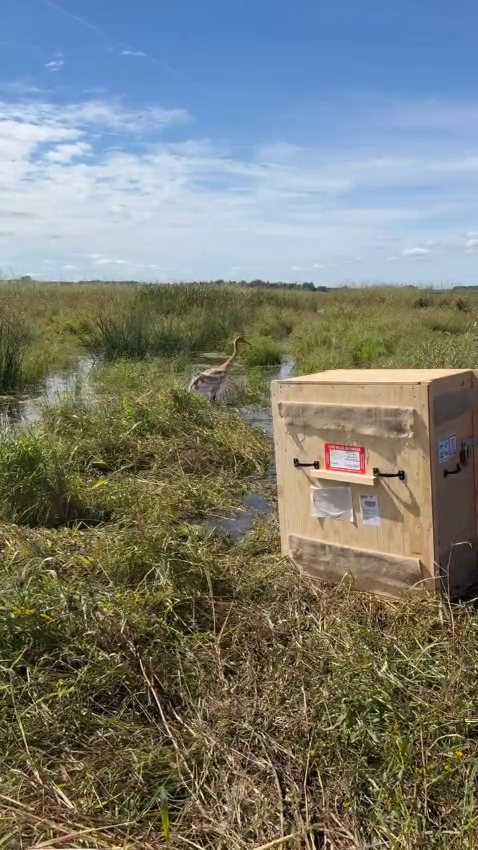
Kimwan’s release site was already being used by several whooping cranes, including an established pair and a group of subadults. Another parent-reared whooping crane chick from the Smithsonian Conservation Biology Institute was released there the week before, so he had other cranes to associate with.
Generally, most whooping cranes in this population begin their southward migration in late October or early November, depending on weather conditions. As agricultural fields are harvested, whooping cranes and sandhill cranes often gather to feed on leftover grain.
Kimiwan, however, has already started migrating! ICF recently shared that after his release, he moved throughout the general release area before making migratory movements of his own. He was sighted by an ICF volunteer in Illinois with a pair of adult whooping cranes, an exciting observation as he continues to navigate life in the wild.
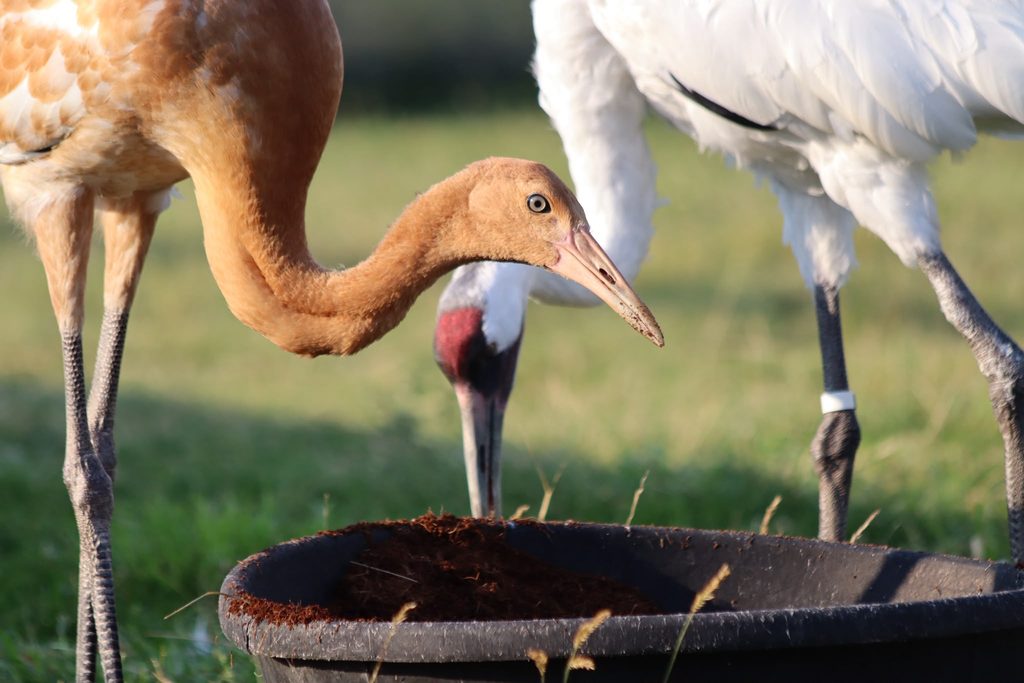
Before release, Kimiwan received a metal U.S. Geological Survey leg band, a unique colour band combination for visual identification, and a satellite transmitter that allows ICF to monitor his movements. Members of the public are encouraged to report sightings of whooping cranes in the wild through the International Crane Foundation’s reporting website here.
Kimwan’s release was made possible by many partners and teams, all working together to give him the best possible start. With just over 700 whooping cranes remaining in the wild, each addition to the population supports the species’ recovery. Birds like Kimiwan can contribute genetic diversity and help strengthen the long-term resilience of this Endangered species.