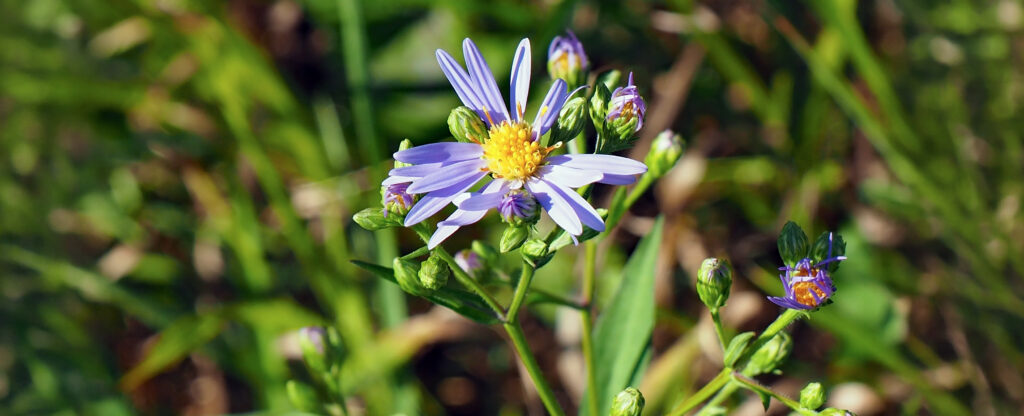
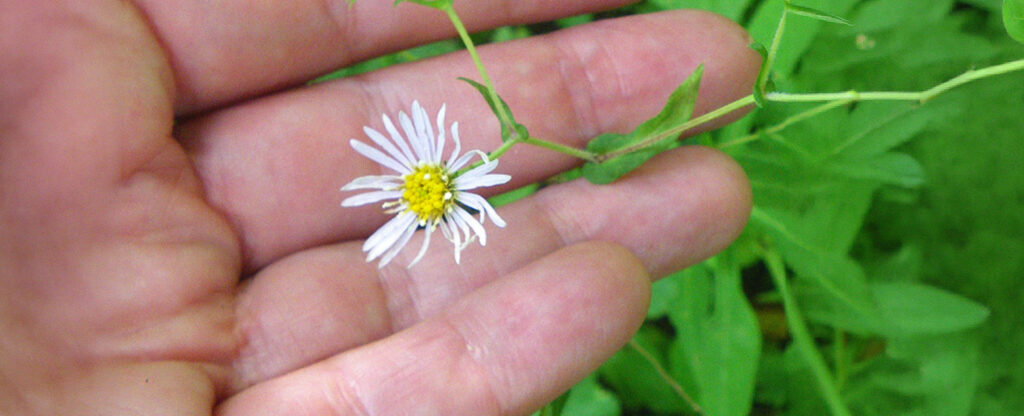
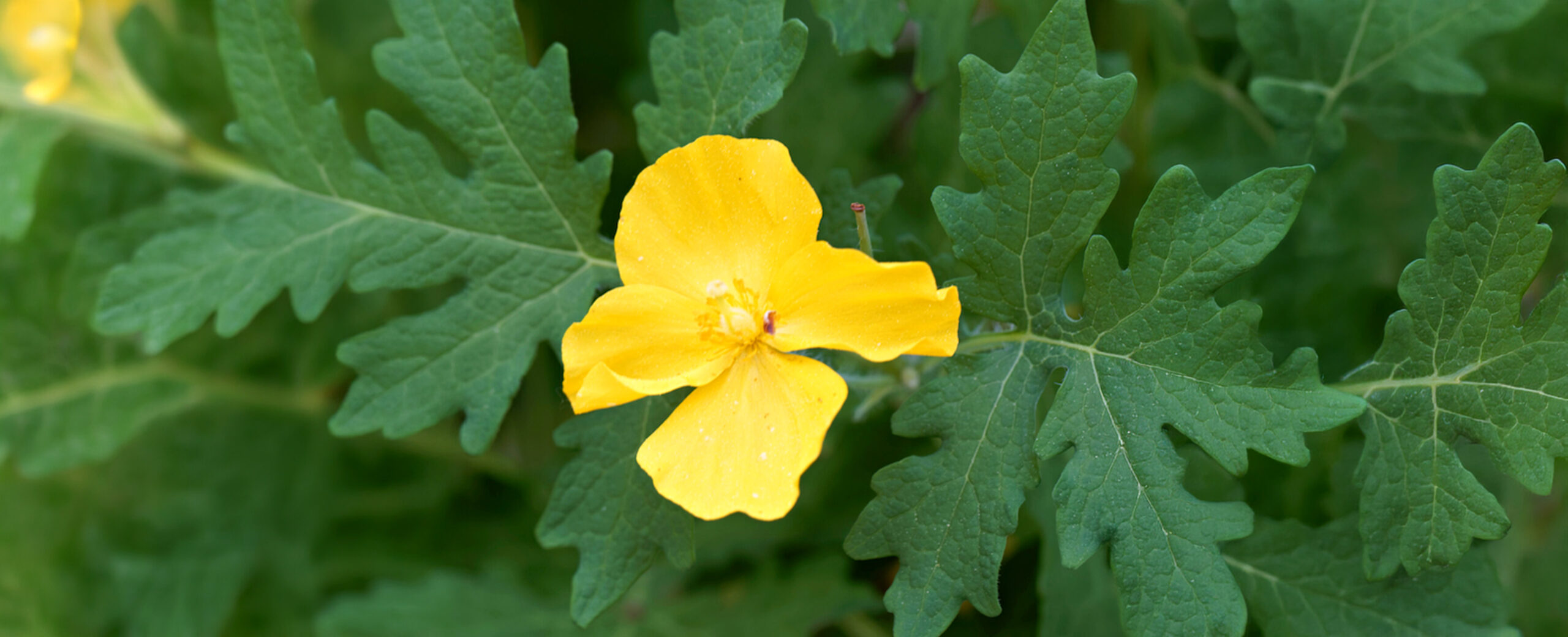
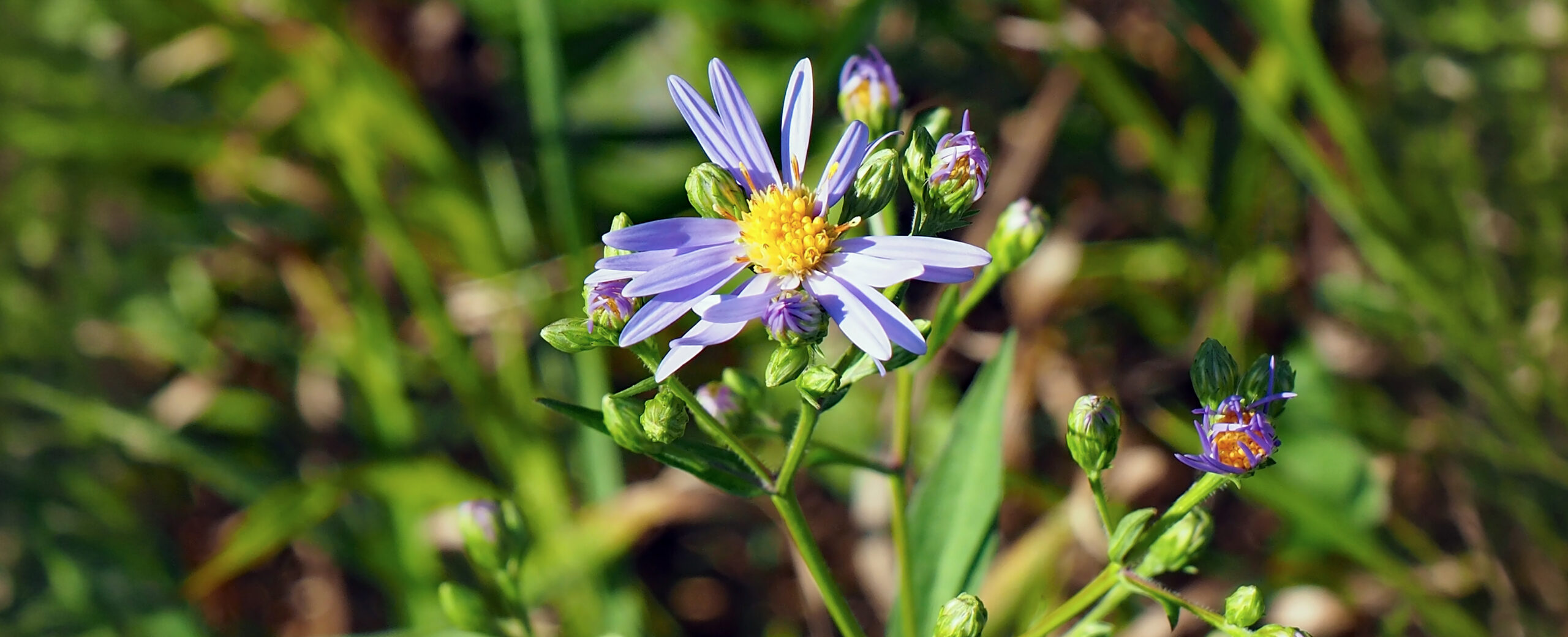
Southern Ontario is home to some of Canada’s most at-risk plant species – and some of its most intense conservation pressures. The program combines population research and translocation science to give rare plants a stronger chance of survival.
The Ontario Rare Plants program supports two PhD research projects led by the McCune Lab at the University of Lethbridge. Through studying which habitats support recovery and how populations are changing, they’re building the scientific foundation for recovering rare plants in southern Ontario.
The field research for this program is based in southern Ontario, where many plant species face compounding pressures from habitat loss and human density. Research sites span forested landscapes across the region, targeting areas within the species’ current and historical ranges.
The knowledge gained from this research has the potential to be used in plant translocations across Canada and beyond. It will inform recovery efforts for at-risk plant species in Canada and increase the knowledge and capacity to use translocations as a recovery tool for rare plant species in the future.
Plants account for 30% of all species listed as endangered, threatened, or of special concern under Canada’s Species at Risk Act – yet plant conservation often lags behind the work being done for animals. In southern Ontario, habitat loss, invasive species, and high human density push already-limited populations closer to the edge. Many of these species have never been common in Canada, and some were once thought to be gone entirely.

Through the program, the Wilder Institute is supporting two interconnected research streams being undertaken by graduate students. One is focused on understanding how rare plant populations are changing and the other on using translocation to establish new populations in suitable habitats. Both streams inform the other to ensure conservation is grounded in evidence and designed to scale.
The Ontario Rare Plants program is generating knowledge that can be applied beyond the province. By building an evidence base for how rare plant populations respond to their environment and to translocation, this research is laying the groundwork for species recovery across Canada.
The Ontario Rare Plants program builds a knowledge base that can be applied to rare plant recovery across Canada and beyond. Recovering plant species requires rigorous population science, habitat modelling, and targeted translocation. Each step informs the next to give at-risk species a future in the wild.
This program is led by the McCune Lab at the University of Lethbridge, whose researchers are driving both the population and translocation research streams. Their work is supported by partners and collaborators in southern Ontario and elsewhere.
Learn more about how we’re building One Wild Future.
Become a champion for Canada’s rare plants.
Fund the research and translocation work bringing Ontario’s rarest plants back from the edge.
Partner with the Wilder Institute to protect Canada’s rare plant species and their ecosystems.
Stay informed on research milestones and translocation outcomes as the program develops.