

How we protect and restore species through science, community, and collaboration
Conservation works best when it helps both people and wildlife. Inclusive conservation is an approach that listens to those who live on and steward the landscape. It ensures that local communities are meaningfully involved for lasting conservation impact.
“Collaboration is the cornerstone of conservation. By uniting our strengths, we can achieve benefits for wildlife and people alike.”
Grainne McCabe, Chief Conservation Officer
We recognize that conservation is most effective when it’s planned, designed, implemented and evaluated for impact with the meaningful participation of those who are directly affected or involved. We work to support and co-develop conservation approaches with local communities and partners—those who live in, and care for, these landscapes. This includes collaborating with Indigenous Peoples and local communities in ways that respect their rights, knowledge, and perspectives, while working together to achieve positive outcomes for both people and wildlife.
Our Wilder Institute teams are committed to working in ways grounded in respect, shared responsibility, and real community control over decisions. We value local and traditional ecological knowledge and Indigenous science, woven together with Western science, to create evidence-based conservation plans for long-term success and the greatest impact for species at risk.
To be truly impactful, no one organization can go it alone. Our approach shares our resources, knowledge, and skills in culturally respectful ways so others can succeed alongside us. Through training, mentoring, partnership, and peer learning, we help build lasting capacity that expands impact.
Focusing on just one species is often not enough. By taking multi-species approaches that recognize the interconnections between species and their environment, we can achieve whole-ecosystem benefits. These approaches often mitigate threats that affect multiple species, significantly scaling up the benefits of our work for wildlife. Healthy ecosystems depend on these relationships – and conservation actions that benefit multiple species can help grow the impact of conservation.
We start by testing conservation solutions on the ground, learn what works, and then expand those successes to national and regional scales. Along the way, we support governments with training and expert advice so proven practices can last and expand. These actions can include conservation translocations – which are movements of species for conservation purposes –one of the evidence-based methods our applied conservation teams have expertise in and employ to have impact for wildlife.

At the Wilder Institute, we aim to prevent species extinction, reverse declines, and recover wildlife populations through actions that enable people and wildlife to co-exist and foster environments where all species thrive.
We recognize that human well-being is inextricably linked to the survival of wildlife. To stop and reverse biodiversity loss and support long-term recovery, we must take a whole-of-society approach—collaborating with governments, Indigenous Peoples, local communities, non-governmental organizations, industry, researchers, landowners, and others to deliver targeted, evidence-based actions.
At the same time, meaningfully integrating the human dimensions of conservation – including human health, gender equality, rights-based approaches, and the sustainable use of wild species– lays the foundation for more effective and sustainable outcomes for nature and for people.
Our conservation programs and initiatives work to ensure that both wildlife and the communities who share their ecosystems benefit.
Conservation happens in many places — in the field across landscapes and in everyday moments of connection between people and wildlife.

Every program we facilitate is tied to species outcomes. From Canada’s prairies to the wetlands of Ghana , these are the animals and plants at the centre of our work.
Our programs are designed to deliver lasting, measurable conservation outcomes.
500+
Captive-bred Vancouver Island marmots released into the wild
This has helped grow the marmot population from fewer than 30 individuals to over 200.
500+
Captive-bred Vancouver Island marmots released into the wild
This has helped grow the marmot population from fewer than 30 individuals to over 200.
500+
Captive-bred Vancouver Island marmots released into the wild
This has helped grow the marmot population from fewer than 30 individuals to over 200.
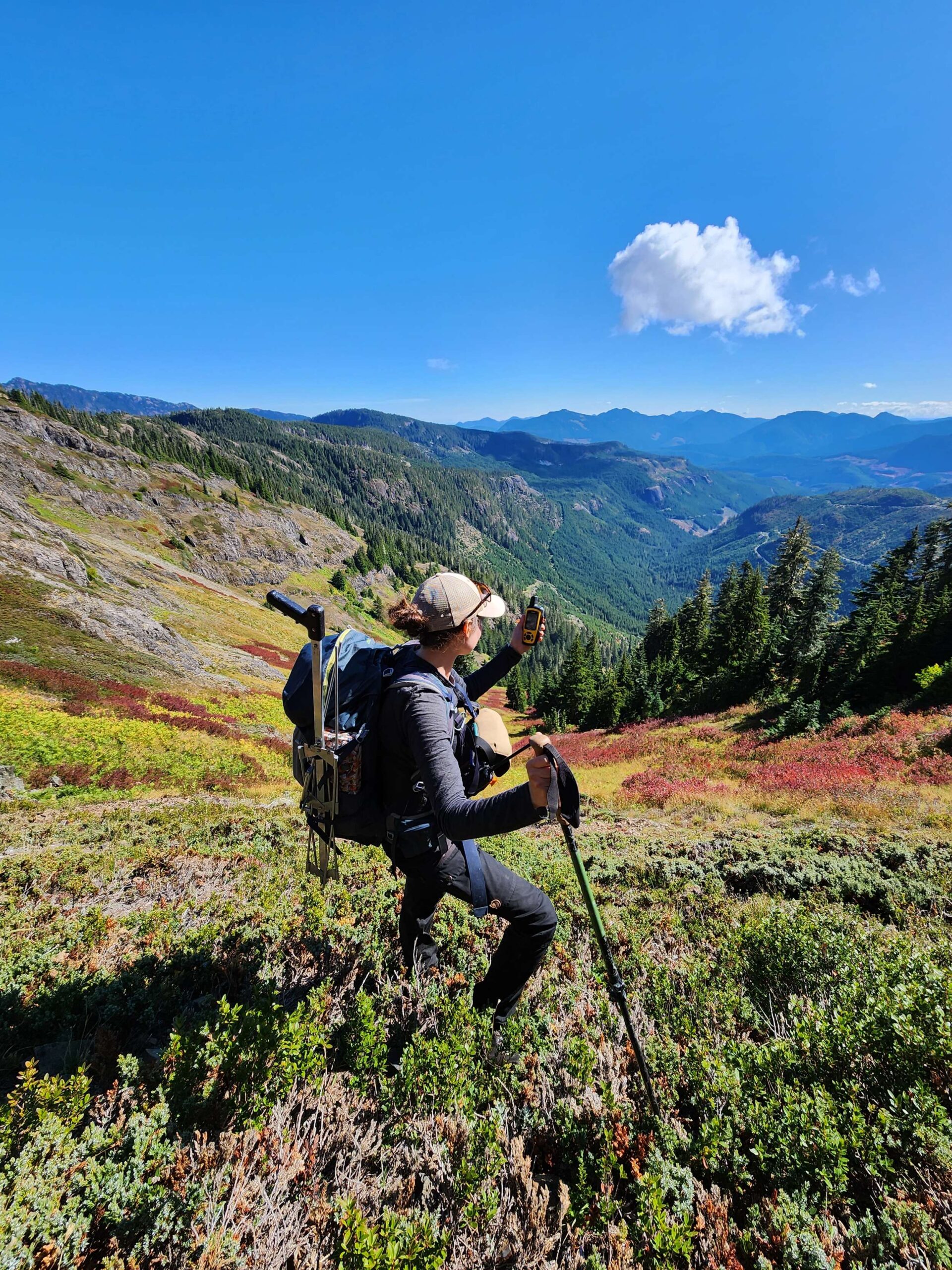
29 SEPTEMBER 2026 (Calgary, AB) – Near the summit of a Vancouver Island mountain, a talus field stretched out under a grey sky — jumbled rock, patches of alpine grass, silence. Two Wilder Institute field technicians were scanning the slope for movement. No marmot had been recorded here in years. Then came the whistle. Not […]
Be a part of One Wild Future.