
A Global Hub for Human-Centered Conservation
January 5, 2026
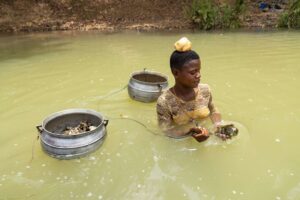
Linking the Health and Livelihoods of People with the Conservation of Wild Species
At your Wilder Institute, we understand that protecting biodiversity means addressing the needs of all living things — including people. Humans are inextricably linked to the survival of wildlife, and the meaningful integration of human health, gender equality, rights-based conservation, and the sustainable use of wild species lays the foundation for more effective and lasting outcomes for nature and for people. To advance this vision, your Wilder Institute has led the establishment of a new Centre for Species Survival (CSS) Human Dimensions, developed in close collaboration with the International Union for Conservation of Nature (IUCN) Species Survival Commission (SSC) — particularly the Sustainable Use and Livelihoods Specialist Group (SULi) and the Biodiversity & Family Planning Task Force (B&FPTF).
The Centre, based at your Wilder Institute in Calgary, Alberta, serves as a global hub for sharing resources and advancing inclusive, people-centered approaches to conservation. Its purpose is to link the health and livelihoods of local communities with the conservation and sustainable use of wild species — ensuring that conservation efforts support both wildlife recovery and human well-being
About the Logo
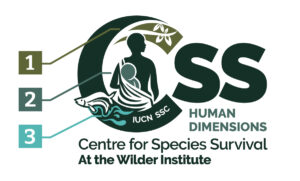
- The botanical component represents biodiversity and ecological systems, highlighting the Centre’s role in advancing holistic, inclusive conservation interventions that support both people and nature.
- The human element emphasizes the Centre’s focus on family planning as integral to both human and
ecological resilience. - The fish adds a dynamic element to reflect water, ecosystems, and sustainability, underscoring that thriving wildlife and thriving communities are inseparable.
Earlier this autumn, members of our team attended the IUCN World Conservation Congress in Abu Dhabi — one of the world’s largest gatherings of conservation leaders. Alongside our partners, we launched our Centre for Species Survival Human Dimensions and connected with global experts to share ideas, strengthened partnerships, and positioned the Wilder Institute as a thought leader in conservation while demonstrating the power of inclusive, multisector approaches to a worldwide audience.
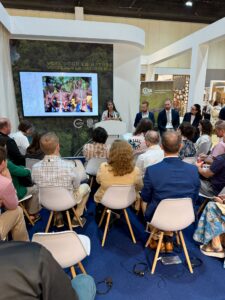
Nafeesa from the Wilder Institute presents to conference attendees at the Americas Pavilion.
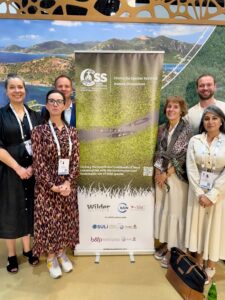
From left to right: Jill Hockaday (Wilder Institute), Carina Hirsch (Margaret Pyke Trust), David Johnson (Margaret Pyke Trust), Dilys Roe (SULi), Mix Winpenny (SULi), and Nafeesa Esmail (Wilder Institute) at the conference.
About the IUCN and the Species Survival Commission
The IUCN is a global membership Union composed of government and civil society organizations.
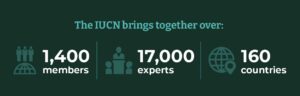
Its mission is to influence, encourage, and assist the wider conservation community and societies to conserve the integrity and diversity of nature and ensure that the use of natural resources is equitable and ecologically sustainable — envisioning a just world that values and conserves nature.
Within the IUCN, SSC is a global, science-based network of thousands of volunteer experts organized by taxonomy, geography, and discipline. Established in 1949, the SSC provides technical knowledge, policy guidance, and conservation planning to influence real-world conservation action.
What is a Centre for Species Survival?
Centres for Species Survival are collaborative partnerships between the IUCN SSC Chair’s Office and leading conservation organizations around the world. Together, they support and advance global conservation. There are 25 Centres for Species Survival globally, each with its own area of focus—whether on a specific region, such as CSS Ireland at Dublin Zoo; a taxonomic group, such as CSS Trees at the Morton Arboretum; or a thematic area, such as CSS Biodiversity Biobanking at the San Diego Zoo, CSS Behaviour Change at Zoomarine Portugal, or CSS Human Dimensions hosted here at your Wilder Institute.
Centres serve as hubs for conservation assessment, planning, and action. Their goal is to connect organizations and experts to strengthen collaboration and amplify the impact of conservation worldwide.
To date, most Centres for Species Survival have been taxonomic or geographic in focus. However, recognizing that human activities shape ecosystems — and that wild species provide critical contributions to people — the Wilder Institute’s CSS Human Dimensions focuses on the social and cultural aspects of conservation that are too often overlooked
“Lasting conservation is only possible when communities are genuinely active in co-creating solutions. By putting people at the heart of conservation, we can ensure both wildlife and local communities benefit for generations to come.” – Nafeesa Esmail, Senior Advisor, Human Dimensions of Conservation, Wilder Institute
Our Initial Areas of Focus are:
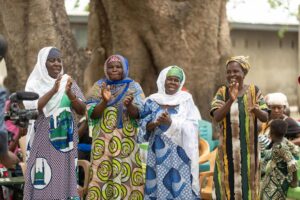
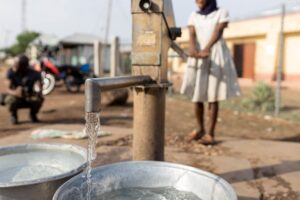
- Sustainable Use and Livelihoods – Promoting the responsible use of wild species at levels that maintain their viability while supporting local livelihoods, particularly for Indigenous Peoples and local communities. Livelihoods are the ways that people provide for themselves and their families, drawing on natural, social, and physical assets — and are especially important for those living alongside wildlife. Achieving sustainable use requires interdisciplinary collaboration to balance human needs and ecological integrity.
- Integration of Human Health – Advancing rights-based approaches that integrate reproductive health and gender equality into conservation actions. Human and environmental health are closely linked, and successful conservation requires genuine efforts to improve community wellbeing. Removing barriers to family planning, when locally relevant and culturally appropriate, can strengthen resilience and contribute to conservation, health, and climate outcomes.
How We Work
- To fulfill its unique human-centered mandate, the CSS Human Dimensions applies the five essential components of the Species Conservation Cycle — Assess, Plan, Act, Network, and Communicate — to: Connect networks and build bridges among conservation organizations, governments, communities, and researchers;
- Assess and identify gaps where knowledge sharing or capacity strengthening is needed;
- Facilitate access to practical tools, evidence, training, and guidance materials, particularly for locally led organizations;
- Create collaborative hubs that share expertise and communicate best practices to maximize local impact
Our work is guided by insights from locally based conservation organizations and practitioners worldwide, ensuring we address real needs, remove barriers to access, and highlight emerging opportunities within the human dimensions space.
Hosted by your Wilder Institute
The need to protect wildlife and restore biodiversity has never been greater. At the Wilder Institute, we act for wildlife — saving species and inspiring people to join us. We’re advancing evidence-based, inclusive conservation that ensures both wildlife and the communities who share their ecosystems benefit. Through this new Centre for Species Survival, the Wilder Institute is helping shape a more inclusive, equitable, and sustainable future for conservation — one that recognizes that protecting biodiversity and supporting human wellbeing are two sides of the same coin.