

What is a Centre for Species Survival?
Centres for Species Survival form part of a global network, developed in partnership with the IUCN Species Survival Commission (SSC) to address urgent conservation challenges and support the implementation of the IUCN’s species conservation strategies around the world.
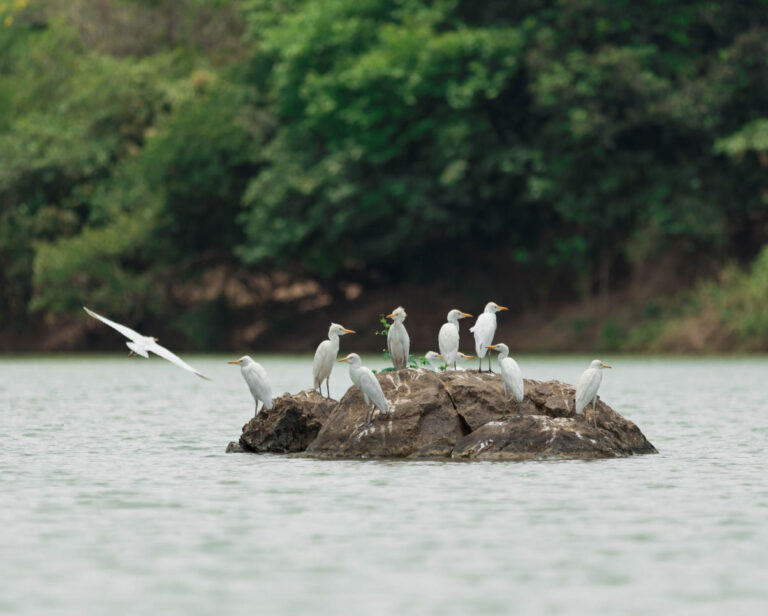
Advancing Inclusive Conservation in Canada and Beyond
The Centre for Species Survival (CSS) Human Dimensions, led by the Wilder Institute, is the first of its kind in Canada—and the first globally to focus specifically on the integration of human health, sustainable use and livelihoods in wildlife conservation.
Our vision is a world where conservation practice and policy fully integrate human dimensions at its core —supporting the rights of all communities to use and benefit from wild species in a way that maintains healthy wildlife populations, to sustain human livelihoods, and to exercise their fundamental right to health.
Humans are inextricably linked to the survival of wildlife. The meaningful integration of human health, gender equality, effective rights-based conservation, and sustainable use of wild species lays the foundation for more effective and sustainable outcomes for nature and for people.
Our CSS will address some of the critical—but often overlooked—social and cultural aspects of conservation. Serving as a global hub for sharing resources in inclusive and multi-sectorial conservation approaches, our Centre is linking the health and livelihoods of local communities with the conservation and sustainable use of wild species.
Why human dimensions?
To date, most Centres have been taxonomic or geographic in scope. Recognizing that human activities shape ecosystems and that wild species provide critical contributions to people, it is essential to engage communities as partners in solutions to conserve nature and sustain livelihoods. Our CSS is underpinned by the necessity to create co-benefits for both people and wildlife through human-centred and holistic conservation actions. This approach ensures the long-term sustainability of conservation initiatives while respecting local communities’ rights to access natural resources. As a result, our CSS supports actions that improve species conservation and benefit human health, wellbeing, and socio-economic outcomes.
Built on a foundation of inclusive conservation and cross-sectoral knowledge sharing, we aim to:
- Interweave Indigenous, local and western knowledge;
- Shift power dynamics through local actors;
- Integrate all relevant voices from idea creation and design through implementation and evaluation;
- Promote culturally-centred systems that empower Indigenous Peoples and local communities.
Our CSS was developed in close collaboration with the IUCN SSC—particularly the CEESP-SSC Sustainable Use and Livelihoods Specialist Group (SULi) and the CEESP-SSC Biodiversity & Family Planning Task Force (B&FPTF). The initial focus of our Centre is:
- sustainable use of wild species and the associated livelihood benefits derived by local communities, and;
- the full range of human health services for conservation co-benefits.
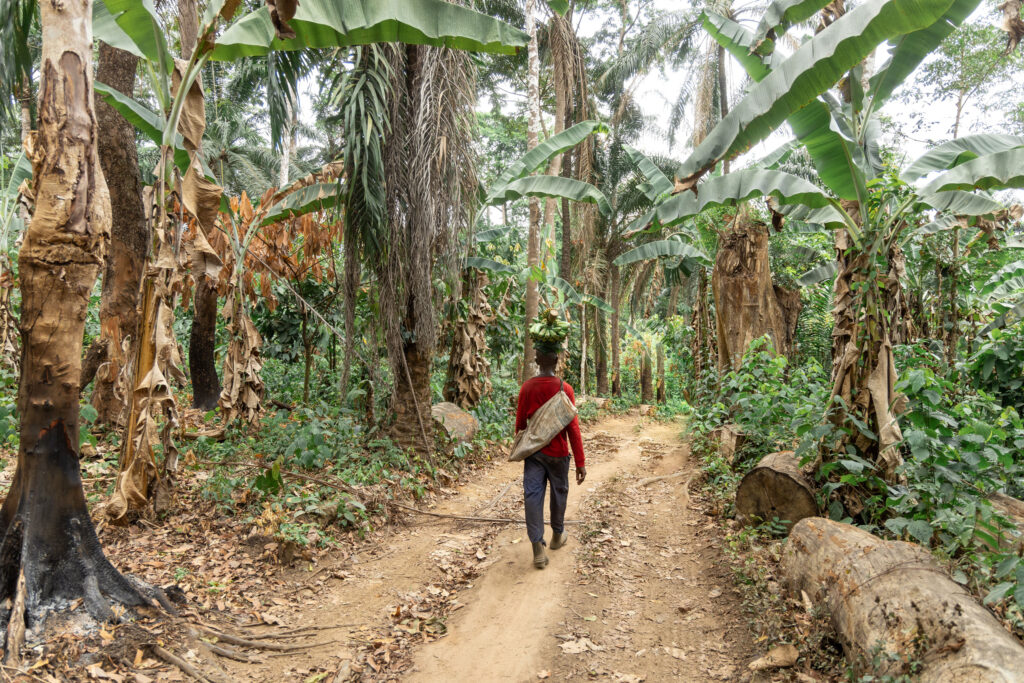
Sustainable Use and Livelihoods—The sustainable use of wild species and how this supports both conservation and local livelihoods, particularly for Indigenous Peoples and local communities.
Sustainable use refers to the use of species at levels that maintain their viability to meet present and future human needs, while avoiding or minimising negative impacts on ecosystems and species.
Livelihoods are the means through which people secure life’s essentials, drawing on various assets such as natural resources, social networks, and physical infrastructure. They are especially vital for rural communities living alongside wildlife.
Achieving sustainable use requires interdisciplinary collaboration to balance human needs and ecological preservation.
Integration of Human Health —How rights-based approaches to integrate reproductive health interventions with other conservation actions lead to greater conservation, health, and gender outcomes.
While conservation organizations recognize the need to integrate community health actions into programming, collaborations with public health professionals are still limited. Successful conservation requires genuine and substantive action to advance human health and associated gender equality outcomes.
The conservation sector requires a greater understanding as to why barriers to family planning, for example, are relevant to conservation, climate adaptation and resilience.
This knowledge fosters supportive policy environments and encourages conservation programmes to include the removal of such barriers, however only when relevant, desired by local communities, and implemented in culturally and socially appropriate ways in the local context.
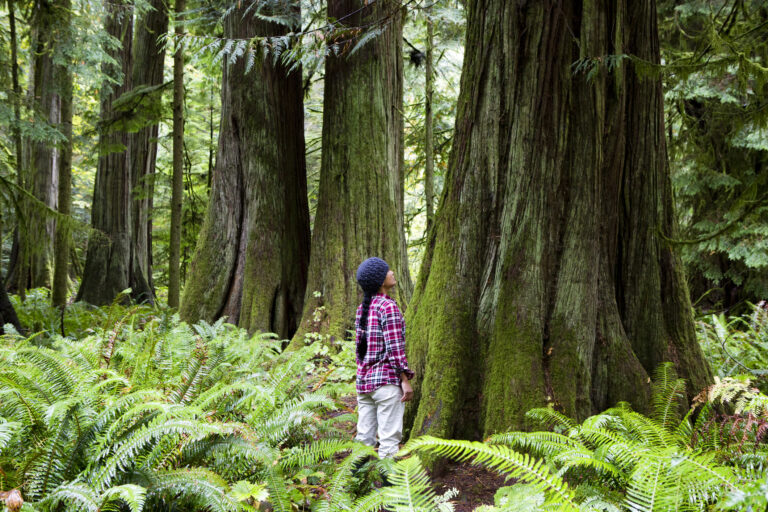
How we work
To fulfill our unique human-centred mandate, we have applied the six essential components of the IUCN Species Conservation Cycle – Assess, Plan, Act, Network, Communicate and Mobilize Resources:
- Assess and identify gaps in conservation practice in our focal areas where knowledge sharing, or capacity-strengthening is needed;
- Strengthen human dimensions themes within species conservation planning for effective conservation action;
- Work directly with local organizations and leaders (internal and external) so they can act with greater agency and knowledge;
- Network and build bridges among conservation organizations, governments, communities and researchers to facilitate and increase access to practical tools, evidence, training and guidance;
- Communicate global expertise, best practices and resources to maximize local conservation impacts;
- Mobilize and leverage financial, technical and human resources to implement sustainable conservation strategies through partnerships.
Our work will be guided by insights from locally based conservation organizations and conservation practitioners globally. This will help ensure we are fulfilling genuine needs, addressing barriers to access, identifying priority groups and highlighting emerging topics and opportunities within the human dimensions space that require further support.
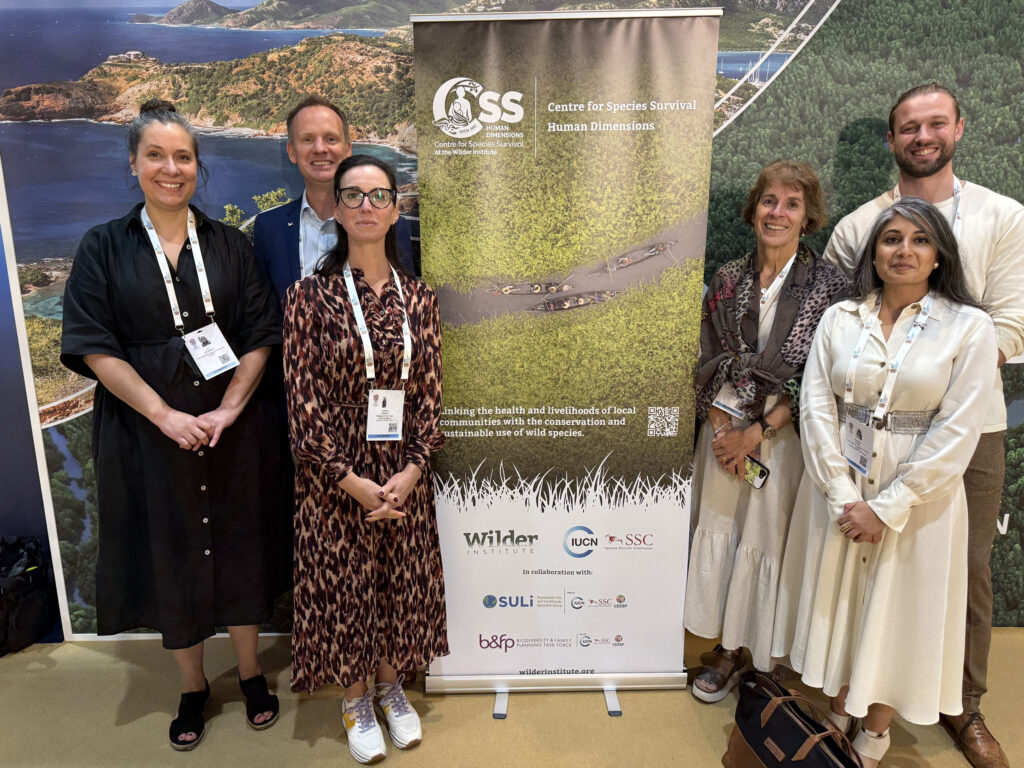
Meet Our Team and Our Partners
Nafeesa Esmail
Head, CSS Human Dimensions, Wilder Institute
Eileen Larney
Director, Field Conservation and Science, Wilder Institute
Nalini Mohan
Conservation Officer, CSS Human Dimensions, Wilder Institute
Jill Hockaday
Communications Lead, CSS Human Dimensions, Wilder Institute
Carina Hirsch
B&FPTF Co-Chair and Interim Chief Executive & Head of Advocacy at Margaret Pyke Trust
Dilys Roe
SULi Chair and Principal Researcher at the International Institute for Environment and Development
Contact us
We invite you to share your insights, experience, and knowledge to shape the future of this initiative. Your contributions will help strengthen conservation practitioner capacity, expand access and awareness of knowledge resources. Fulfilling these genuine needs will ultimately increase meaningful conservation outcomes for both people and nature.
Contact us at: CSSHumanDimensions@wilderinstitute.org
Work Together For Conservation That Lasts
Help advance inclusive conservation approaches that support wildlife and the communities connected to them.